Get Mini Split Installation
Mini split installation services help property owners add or replace heating and cooling systems in various spaces, handled by local contractors for efficient climate control solutions.
If you’re considering a mini split installation, you’re in the right place to explore your options. Many property owners in the area turn to local contractors for efficient, flexible cooling and heating solutions that can be tailored to specific spaces. Whether upgrading an existing system or installing a new setup, understanding the different approaches available can help you make informed decisions that suit your property's needs.
Continuing to compare local service providers can reveal the variety of expertise and services available for mini split projects. Property owners often seek reliable professionals to ensure installations are performed correctly and efficiently. Keep reading to learn more about what to expect from local contractors and how they can assist in planning and executing your mini split installation.
- Mini Split Installation - when a homeowner wants to add or replace a ductless cooling and heating system in their space.
- Mini Split Maintenance - when a property owner needs routine checks or troubleshooting to keep their ductless system functioning efficiently.
- Mini Split Repairs - if a mini split system is not cooling or heating properly, requiring professional diagnosis and fixing.
- Mini Split Upgrades - when a customer seeks to improve or enhance their current ductless system for better performance.
- Mini Split System Removal - in situations where a system needs to be safely taken out before installing a new unit or remodeling.
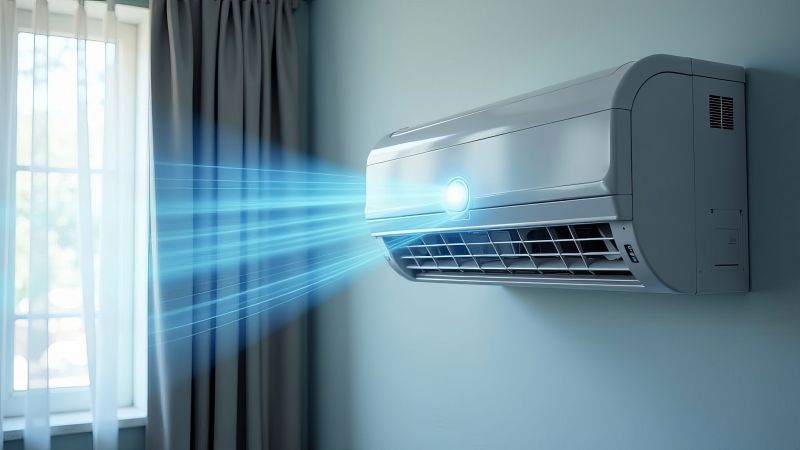
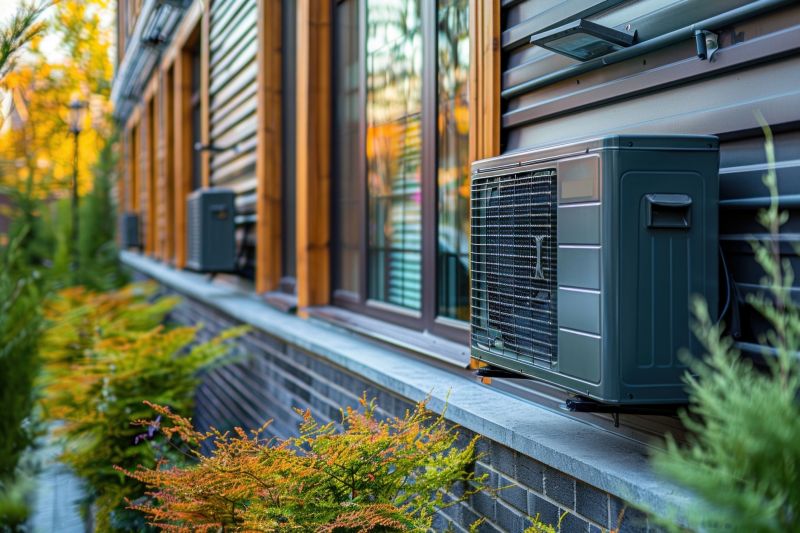
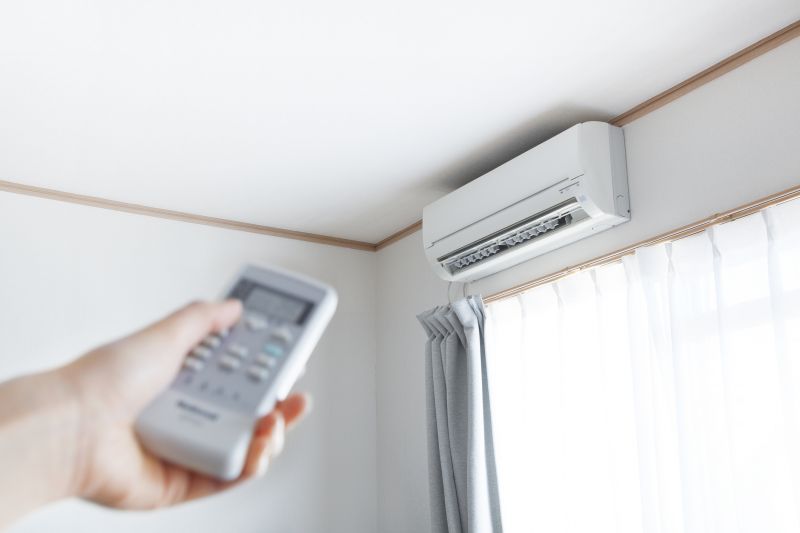
Mini split installation services involve setting up ductless heating and cooling systems that provide efficient climate control for various parts of a property. These systems typically consist of an outdoor condenser unit connected to one or more indoor air handlers, allowing for targeted temperature management. Professional installers handle the placement of these units, ensuring proper wiring, refrigerant connections, and secure mounting. This process often requires precise technical work to optimize system performance and ensure reliable operation.
Mini splits are a practical solution for addressing specific comfort issues within a property. They are effective at cooling rooms that are difficult to regulate with central air, such as converted garages, attic spaces, or additions that lack existing ductwork. Additionally, mini split systems can be used to provide supplemental heating or cooling in areas that experience temperature fluctuations. Installing a mini split can help eliminate hot or cold spots, improve energy efficiency, and enhance overall comfort in the home.
These systems are commonly used in a variety of property types. Homeowners with older houses that lack ductwork often turn to mini splits as an alternative to traditional HVAC systems. They are also popular in new construction projects, home expansions, or renovations where adding ductwork is impractical or too costly. Commercial properties, small offices, or retail spaces may also benefit from mini split installations to maintain comfortable environments without extensive ducting infrastructure.
Homeowners considering mini split installation services should recognize when this solution might be needed. If there are rooms that are consistently uncomfortable, or if existing systems are inefficient or outdated, a mini split can offer an effective alternative. Additionally, properties with limited space for ductwork or those seeking zoned climate control often find mini splits to be a practical choice. Contacting experienced local contractors can help determine the best setup for specific property needs and ensure proper installation.
The overview below groups typical Mini Split Installation projects into broad ranges so you can see how smaller, mid-sized, and larger jobs often compare in your area.
In many markets, a large share of routine jobs stays in the lower and middle ranges, while only a smaller percentage of projects moves into the highest bands when the work is more complex or site conditions are harder than average.
Smaller Repairs - minor fixes or adjustments to existing mini split units typically cost between $250 and $600. Many routine repairs fall within this range, making them the most common type of service handled by local contractors.
Partial Installations - installing a single mini split system in a room or small area usually costs between $1,200 and $3,500. Larger or more complex setups can push costs higher, but most projects stay within this middle range.
Full Replacement - removing an old system and installing a new mini split setup generally ranges from $3,500 to $7,000. Many full replacements fall into this band, though larger, more intricate projects can exceed this range.
Large or Complex Projects - multi-zone systems or extensive retrofit installations can cost $7,000 and up. These jobs are less common and tend to involve additional work that increases overall costs significantly.
Actual totals will depend on details like access to the work area, the scope of the project, and the materials selected, so use these as general starting points rather than exact figures.
Mini Split Ductwork Installation - involves installing duct systems that are similar in planning and tools to mini split systems, requiring precise layout and fitting skills.
HVAC System Upgrades - includes upgrading or replacing existing heating and cooling systems, which shares planning and technical skills with mini split installation.
Wall-mounted Air Conditioner Installation - involves mounting and connecting units similar to mini splits, requiring knowledge of electrical and structural considerations.
Zone Control System Setup - focuses on configuring multiple climate zones, paralleling the multi-unit setup and control aspects of mini split systems.
Electrical Wiring for HVAC Devices - entails wiring and electrical connections necessary for climate control systems, a skill used in mini split installation projects.
Indoor Air Quality System Installation - involves installing filtration and ventilation systems that complement mini split setups, requiring similar planning and technical skills.
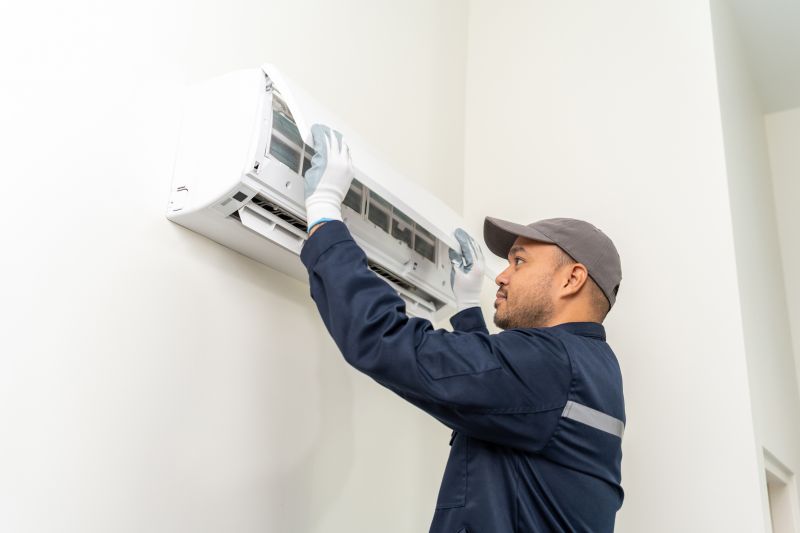
When comparing service providers for Mini Split Installation, it’s important to consider their experience with similar projects. Homeowners should look for local contractors who have a proven track record of handling mini split systems in residential settings. An experienced professional is more likely to understand the nuances of different home layouts and can recommend the most suitable solutions. Asking about the types of systems they have installed and the complexity of past projects can help gauge their familiarity with the work needed in your home.
Clear written expectations are essential for a smooth installation process. Homeowners should seek out local pros who provide detailed estimates and scope of work upfront. This helps ensure that everyone is aligned on what the project entails, including the materials, installation steps, and any potential adjustments. Clear communication of expectations minimizes misunderstandings and sets a foundation for a successful project, making it easier to evaluate whether a contractor’s approach aligns with your needs.
Reputable references and good communication are key indicators of a trustworthy service provider. Homeowners are encouraged to request references from previous clients who had similar installation projects. Speaking with past customers can reveal insights into the contractor’s professionalism, reliability, and quality of work. Additionally, a local professional who maintains open lines of communication and responds promptly to questions demonstrates a commitment to customer service. These qualities help ensure that the project will be managed efficiently and that any concerns will be addressed throughout the process.
Property owners use Mini Split Installation services for practical projects around their homes and businesses. This guide focuses on everyday jobs and straightforward project options.
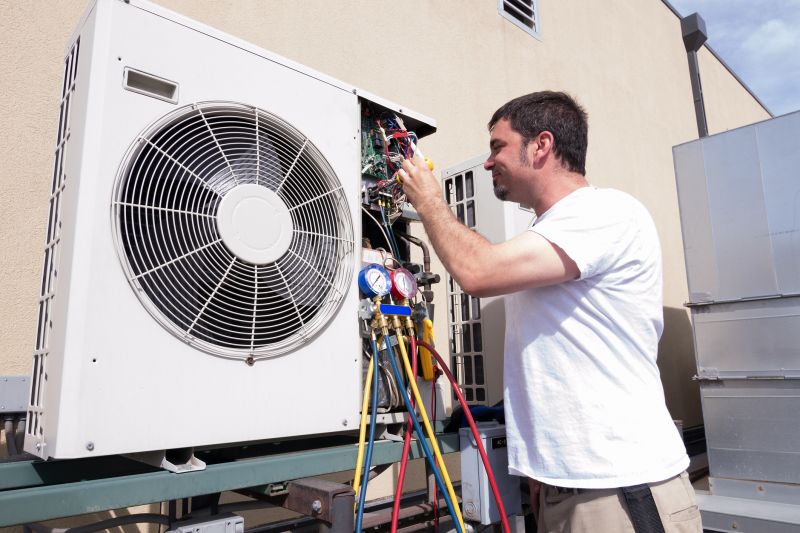
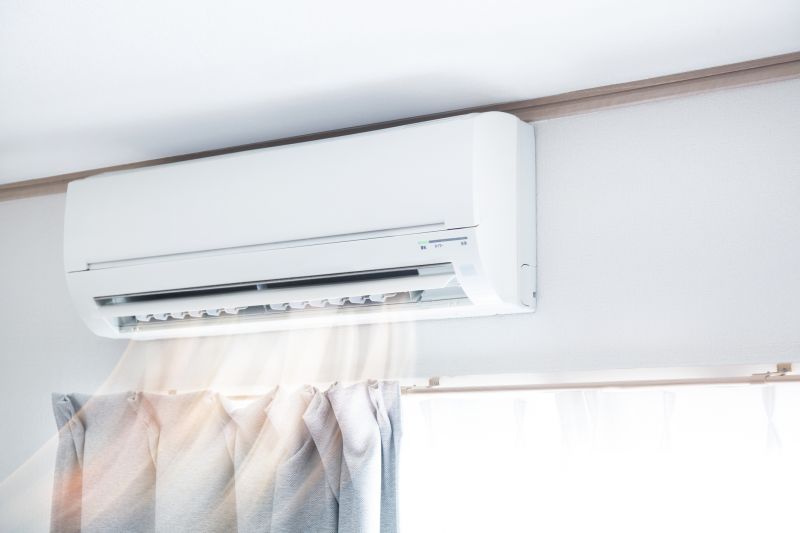
Mini split installation services are commonly sought by property owners who want to improve indoor comfort without extensive ductwork. Whether upgrading an older home or adding cooling to a specific room, local contractors can provide efficient solutions tailored to individual needs. These systems are often chosen for their flexibility and ability to cool or heat specific areas, making them a popular choice for both residential and small commercial projects.
Property owners may also look for mini split installation when replacing outdated or inefficient cooling units. In some cases, new additions or renovations create the need for a modern, space-saving climate control option. Local service providers can handle these installations, helping property owners achieve effective temperature management with minimal disruption.
What is involved in installing a mini split system? Installation typically includes mounting the indoor unit, connecting the refrigerant lines, and setting up the outdoor condenser, all handled by local contractors experienced in mini split setups.
Can existing walls be used for mini split installation? Yes, many mini split systems are designed for wall mounting, and local service providers can assess your space to ensure proper placement and installation.
Is it necessary to modify my existing electrical system for mini split installation? Some electrical work may be required, such as installing dedicated circuits or outlets, which local contractors can evaluate and handle safely.
Do mini split systems require special tools or equipment for installation? Yes, proper installation involves specific tools and techniques that trained local pros are equipped with to ensure a correct and secure setup.
Are there any structural considerations before installing a mini split? It’s important to evaluate wall strength, clearance, and outdoor space; local service providers can determine the best approach based on your property’s layout.
Improve Indoor Comfort - A property owner can enhance comfort in specific rooms or zones by installing a mini split system tailored to individual needs.
Upgrade Existing HVAC - Homeowners looking to replace or supplement their current heating and cooling systems may consider mini split installation for better efficiency.
Reduce Energy Usage - Property owners interested in lowering energy bills can explore mini split options that provide targeted cooling and heating without running a central system.
Create Flexible Spaces - Those renovating or finishing basements, garages, or additions can utilize mini splits to add climate control without extensive ductwork.
If you are thinking about Mini Split Installation for a property, this guide is meant to help you understand the work, the typical project types, and how different options might fit your plans.
When you are ready, you can use the quote form on this page to share a few details about your project. From there, local pros can review the basics and respond with options that match what you have in mind.